

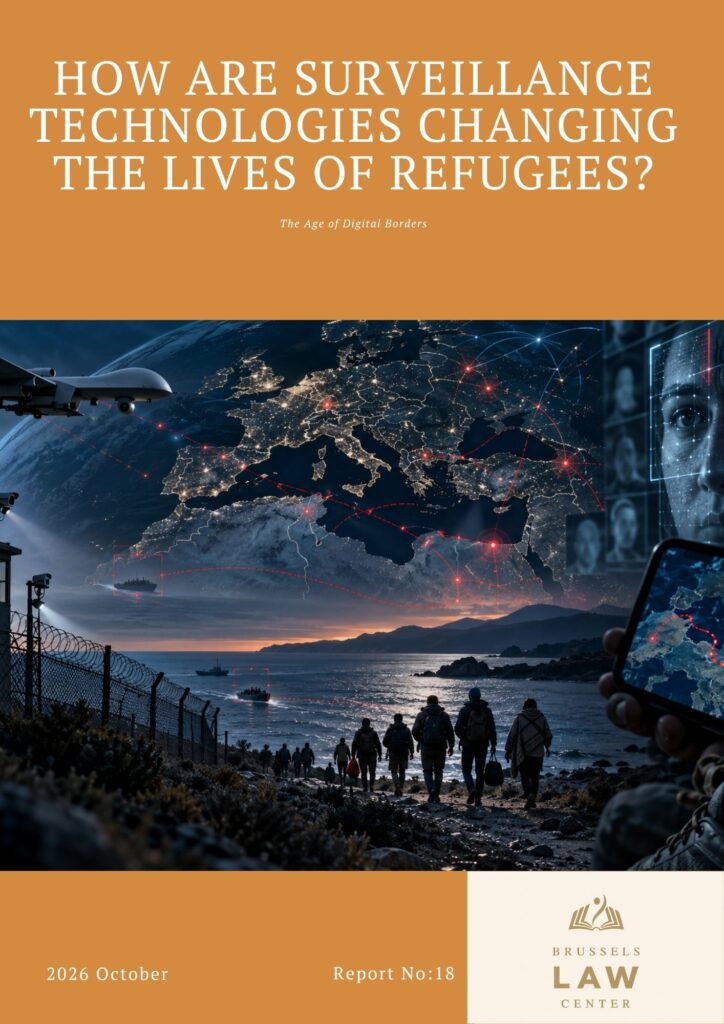
In recent years, migration and asylum management have increasingly come to rely on digital surveillance technologies. Tools such as mobile phone inspections, social media monitoring, facial recognition, biometric databases, GPS tracking, drones, thermal cameras, and AI-driven decision-making systems enable the monitoring of refugees and asylum seekers not only at borders but also throughout the asylum process and their daily lives.
While these technologies can serve identification and security purposes, they pose significant risks regarding privacy, freedom of expression, the prohibition of discrimination, fair procedure, and the right to an effective appeal. Key issues include, in particular, the use of phone and social media data—often stripped of context—in asylum files; the potential for errors in biometric or language recognition systems; and the lack of transparency regarding the criteria algorithms use to influence decision-making processes.
For refugees, the fundamental issue is not merely what data is collected, but the accuracy of decisions based on that data, with whom the data is shared, which algorithms process it, and how it influences decisions regarding asylum, detention, or deportation. Therefore, transparency, human oversight, and effective appeal mechanisms must become essential safeguards in digital migration management.


